Where to Get Professional Dry Cleaning in Carleton Place: What to Expect
Clothing care is not always as simple as putting everything in the washing machine. A dress may have delicate trim, a jacket may have a structured lining, or a favourite coat may carry a care label that recommends professional cleaning. When you’re unsure how to clean an item safely, professional dry cleaning can help you make a more informed choice.
For people looking for dry cleaning in Carleton Place, understanding what to bring, what information to share, and what to check at pickup can make the experience easier. Whether you need help with work clothes, formalwear, a wedding gown, bedding, drapery, or a specialty fabric, a few practical steps can help you care for each item appropriately.
What Is Professional Dry Cleaning?
Professional dry cleaning is a garment-care service that uses cleaning methods selected for the item’s fabric, construction, and care requirements. Despite the name, some professional cleaning methods may use liquids. The exact approach depends on the garment and the service being provided.
Dry cleaning can be useful for items that may not respond well to routine home washing. These might include structured garments, delicate materials, lined clothing, or pieces with embellishments. The goal is to clean the item while taking its specific care needs into account.
It is important to remember that professional cleaning does not guarantee that every stain will come out or that every garment will look exactly as it did when new. Fabric age, previous cleaning, stain history, and the item’s construction can all affect the result. A cleaner can assess the garment and explain what may be possible.
Which Garments May Need Professional Care?
Start by checking the care label. Instructions such as “dry clean” or “dry clean only” indicate that you should be cautious about washing the garment at home. The label can also provide information about fabric composition and other care requirements.
Items that may benefit from professional assessment include:
Suits, blazers, and structured jackets
Dress pants, skirts, and formal dresses
Coats and other seasonal outerwear
Silk garments and delicate fabrics
Items with beading, lace, pleating, or special trim
Wedding gowns and other bridal garments
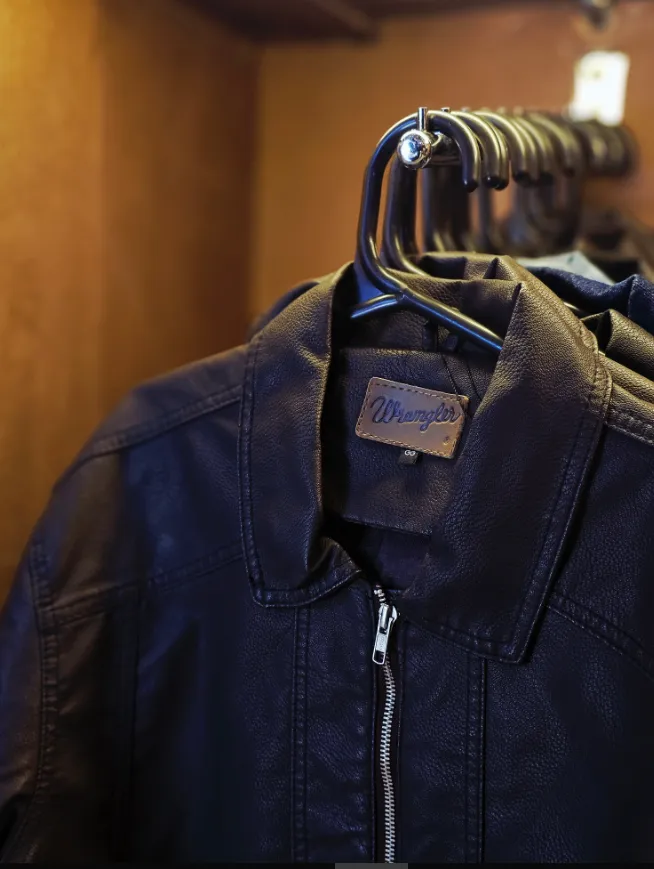
Suede, leather, and fur pieces
Garments with linings, shoulder pads, or tailored construction
A garment may also need professional care if its shape is important to its fit. For example, a structured jacket may have internal components that can be affected by water or heat. Washing it at home could change how it sits on the shoulders or how the lapels hold their shape.
When you’re uncertain, ask before washing. A quick question can help you avoid experimenting on a garment you value.
Dry Cleaning Versus Washing at Home
Home washing is convenient for many everyday items. T-shirts, towels, and some casual clothing can often be washed according to their care labels. But the same approach may not be suitable for every garment.
Water, detergent, agitation, heat, and drying methods can affect fabric in different ways. Some materials may shrink, stretch, fade, wrinkle, or lose their finish. A garment with several different materials, such as a lined jacket with decorative trim, may have more complex care needs than a simple cotton shirt.
Professional cleaning may be a better option when:
The care label recommends it.
The garment has a delicate or specialty fabric.
It has structured tailoring or a lining.
It includes embellishments that could snag or loosen.
It has a stain you’re unsure how to treat.
It is a special occasion or sentimental item.
This does not mean every item needs professional cleaning. Following the care label and considering how the garment is made can help you decide. For routine items that are suitable for home laundering, washing them carefully may be perfectly appropriate.
How to Prepare Clothes for Drop-Off
Before bringing garments to a cleaner, take a moment to check each item. Look for stains, spills, loose buttons, small tears, or areas that need attention. Point these out when you drop the item off. If you know what caused a stain, share that information as well.
The source of a stain can matter. Coffee, oil, makeup, ink, and food can behave differently on different fabrics. Knowing what caused the mark may help the cleaner assess it and choose a suitable approach. If you’re unsure what the stain is, say so rather than guessing.
Also check every pocket. Remove receipts, pens, coins, tissues, keys, and other personal items. A tissue left in a pocket, for example, can create a mess, while a pen or other object could affect the garment during handling.
If you’re dropping off several pieces, identify garments that belong together. A suit jacket and matching trousers may need to be considered as a set so their appearance remains consistent. If an item is needed by a particular date, mention that when you ask about service timing.
What Should You Tell the Cleaner?
Clear information helps the cleaner understand your priorities. When you drop off an item, tell the staff about:
The location of any stains
What caused the stain, if known
Any previous attempts to remove it
Areas that are especially delicate or damaged
Whether the item is part of a matching set
The date you hope to have it ready, if relevant
Be sure to mention any home treatment you’ve tried, including stain remover, detergent, water, or heat. Some treatments can change a stain or affect the fabric, so it is useful for the cleaner to know what has already happened.
If the garment has sentimental value or is required for a specific event, explain that too. This does not change the fabric’s limitations, but it can help set expectations and guide the conversation about appropriate care.
Why Stains Can Be Difficult to Remove
A stain’s appearance does not always reveal how difficult it may be to treat. Some marks are visible immediately, while others become more noticeable later. The fabric, the substance, the time elapsed, and any previous attempts at cleaning can all affect the outcome.
Heat may make certain stains harder to remove. For example, placing a stained item in a hot dryer or ironing over a mark before it has been addressed can set some stains into the fabric. Scrubbing can also spread a stain or damage fibres, particularly on delicate materials.
If a stain appears, avoid aggressive treatment unless the care label provides clear instructions. Blotting a fresh spill gently with a clean cloth may be more appropriate than rubbing, but the right response depends on the garment. When in doubt, leave the stain untreated and ask a professional for guidance.
Professional Care for Suits and Workwear
Suits, blazers, and tailored clothing often have more components than casual garments. The outer fabric, lining, shoulder structure, pockets, and finishing details all contribute to the garment’s shape. That construction is one reason it’s wise to follow the care label rather than assume that a jacket can be washed like a regular shirt.
People who wear work clothing frequently may want to plan ahead for cleaning, especially if they rely on a small number of suits or uniforms. Ask the cleaner about expected turnaround time and consider dropping off items before you urgently need them.
For dress shirts, check the label to see whether professional laundering or another method is recommended. If you notice a collar or cuff stain, point it out at drop-off. Regular attention to workwear can help you keep garments ready for meetings, interviews, and day-to-day use.
Caring for Wedding Gowns and Formalwear
Wedding gowns and formalwear can have delicate fabrics, layers, lace, beads, embroidery, or other details that need careful assessment. After an event, a gown may have marks that are not immediately obvious, such as spots near the hem or traces of food and cosmetics.
Before storing a wedding gown or formal outfit for a long period, consider asking a professional cleaner to assess it. Share when and how it was worn, and point out any marks you noticed. Avoid placing a stained garment into long-term storage without checking its care requirements.
Formalwear can also include suits, cocktail dresses, graduation outfits, and clothing worn for milestone celebrations. If the garment is valuable or sentimental, discuss its condition and cleaning needs before the work begins. Ask what the cleaner recommends and what limitations may apply.
Care for Suede, Leather, and Fur
Suede, leather, and fur require specialized care. These materials can respond differently to moisture, heat, and cleaning products than everyday fabrics. A home cleaning product intended for washable clothing may not be appropriate for them.
If a suede or leather item becomes stained or wet, check the manufacturer’s care instructions and ask a professional before applying a product. Rubbing, soaking, or using a household cleaner can change the surface or colour. Fur garments also need care suited to their material and construction.
Carleton Cleaners lists care for suede, leather, and fur among its services. Contact the cleaner before bringing in a specialty item to confirm what care is available and whether the particular garment can be assessed.
Household Items That May Need Professional Cleaning
Professional cleaning is not limited to clothing. Certain household textiles can be difficult to clean at home because of their size, fabric, lining, or construction. Carleton Cleaners lists services for bedding and linens, drapery, and area rugs.
Curtains and drapery can collect dust and may have linings or finishes that require careful handling. Before taking them down, check any care instructions and ask whether the cleaner can handle the specific material and dimensions. If the curtains are part of a set, keep the panels together and share any relevant details.
Area rugs vary widely in fibre, backing, size, and construction. The right cleaning method depends on those details. Ask about the rug’s material and condition when requesting service, and mention any stains or areas of concern.
Bedding and linens may also benefit from professional cleaning, depending on the material and care label. If an item is large, delicate, or difficult to wash and dry at home, ask what options are available.
Alterations and Repairs Can Help Extend a Garment’s Use
A garment that does not fit well or has minor damage may not need to be discarded. An alteration could improve the fit, while a repair might address a loose seam, missing button, or other issue.
Before bringing an item in, identify what you would like changed. Be specific about the fit or the area that needs attention. For example, explain whether trousers are too long, a sleeve needs adjusting, or a seam has come loose. If you’re unsure what can be repaired, ask for an assessment.
Carleton Cleaners lists alterations and repairs among its services. Confirm the available options and timing directly, especially if the garment is needed for a particular date.
What to Expect When You Pick Up Your Items
When you return to collect your clothing or household items, check that you have everything you dropped off. Look over any areas that received special attention and ask questions if something seems unclear.
If a stain remains, ask the cleaner about it. Some stains cannot be fully removed without risking damage to the fabric, and the cleaner may be able to explain what affected the result. If you notice an issue after pickup, contact the cleaner promptly so you can discuss it while the details are fresh.
Once home, follow any care or storage instructions provided. Keep clean garments in a dry, suitable place, and use storage that allows the item to maintain its shape. For seasonal pieces, avoid putting them away while they are damp or visibly soiled.
Choosing a Dry Cleaner in Carleton Place
When choosing a dry cleaner, look for services that match the item you need cleaned. A business may handle everyday garments as well as specialty items, but it is a good idea to confirm details before dropping off something delicate, bulky, or valuable.
Consider asking:
Does the cleaner handle this fabric or item?
Can they assess a particular stain?
What is the expected turnaround time?
Do they offer alterations or repairs?
Should matching pieces be dropped off together?
Are there special instructions for pickup or storage?
Carleton Cleaners is located at 27 Bridge Street in Carleton Place. Its listed services include dry cleaning, bridal gowns, handbags, bedding and linens, alterations and repairs, laundered shirts, drapery, area rugs, suede, leather, and fur garments. Contact the business directly to confirm current service details, availability, and turnaround times for your specific item.
Making Garment Care Easier
Professional dry cleaning can be a useful option when a garment’s care label, fabric, construction, or stain makes home washing uncertain. Checking labels, describing stains clearly, removing items from pockets, and asking questions before drop-off can help you make a more confident decision.
For residents looking for dry cleaning in Carleton Place, Carleton Cleaners offers a local option for clothing and selected household items, along with alterations and repairs. Before bringing in a specialty garment, contact the cleaner to discuss its material and condition. A quick conversation can help you understand the available care and plan ahead for the items you wear and value.